
The Recorded Statement Trap: Why the Adjuster Calls So Fast
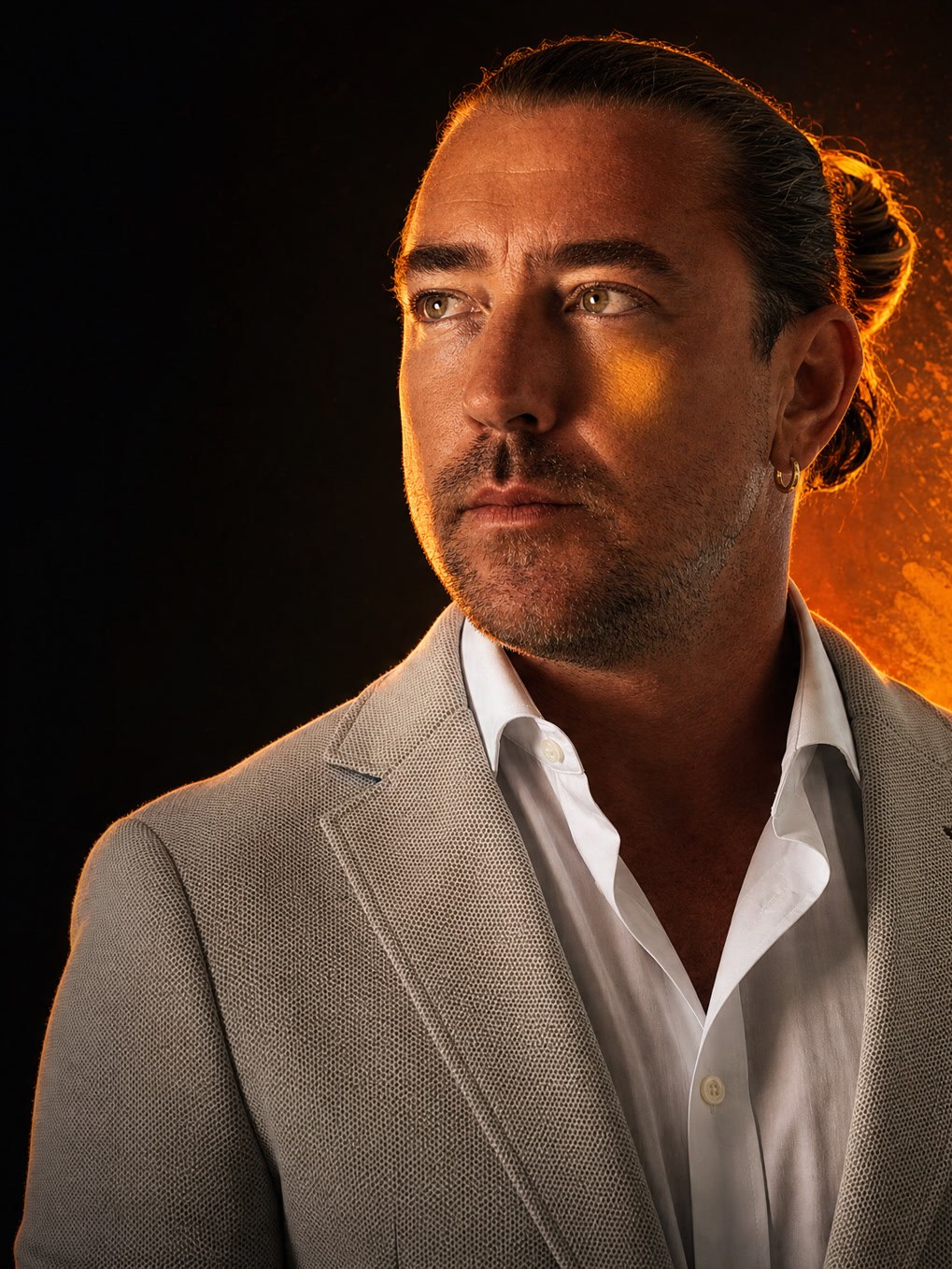
Written by Simon Nicholson, Founding Attorney · Published July 28, 2026 · Updated September 3, 2026 · 6 min read

Quick answer
You are not required to give a recorded statement to the other driver's insurance company in Florida, and it is usually a mistake to do so. Adjusters use recorded statements to lock in answers that minimize your injuries or shift blame. Your own insurer can require cooperation, but you can have a lawyer present and keep it to the facts.
Key takeaways
- The other driver's insurer has no right to a recorded statement from you. You can decline politely.
- Your own policy has a cooperation clause, but cooperation does not mean guessing, speculating, or describing injuries you have not been evaluated for.
- Adjusters are trained to ask friendly questions that produce damaging answers. 'You're feeling okay, though?' is not small talk.
- Anything recorded can be quoted back to you months later, out of context.
- The safest response is a short one: 'I'd rather have my attorney handle that.'
The call usually comes within 48 hours. The adjuster is warm, sympathetic, and efficient. They just need a quick recorded statement to move your claim along. It sounds reasonable. It is not for your benefit.
Here is what a recorded statement actually does inside an insurance file, what you are legally required to provide, and how to handle the call without hurting your case.
What a recorded statement actually is
A recorded statement is a taped interview conducted by an insurance adjuster. It is transcribed, placed in your claim file, and reviewed by people whose job is to pay as little as possible. It is not a formality and it is not neutral. It is the insurer's first opportunity to build a defense.
The questions are scripted. They are designed to get you to describe your injuries before a doctor has, to commit to a version of events before you have seen the crash report, and to accept small pieces of blame that add up under Florida's comparative negligence rule.
How adjusters use your own words against you
Three patterns show up in almost every statement we review after the fact.
- Minimizing injuries: 'So you were able to drive home?' 'You didn't go to the hospital that day?' A yes to either becomes 'claimant reported no significant injury at the scene.'
- Shifting fault: 'About how fast were you going?' 'Did you see the other car before impact?' Any estimate becomes a fact you have to live with, even if it was a guess.
- Locking in gaps: 'Have you had any prior neck or back problems?' A vague answer becomes a pre-existing condition argument later.
- Under Florida's modified comparative negligence rule, every percentage point of fault they can pin on you reduces your recovery, and more than 50 percent eliminates it. That is why fault questions are asked so casually.
Your insurer versus their insurer
The other driver's insurance company: you owe them nothing. No statement, no medical authorization, no timeline. You can confirm your name and contact information and tell them your attorney will be in touch. That is the entire conversation.
Your own insurance company: your policy has a duty-to-cooperate clause. You should report the crash promptly and provide basic facts. That does not require a recorded interview about your injuries, and it does not require you to speculate. You can ask to schedule the conversation when your attorney can join. Florida PIP claims in particular are handled by your own carrier, so keep it factual and brief.
Not sure where you stand? Free case review, 24/7.
Call (844) SUN-SHINEWhat to say when the adjuster calls
You do not have to be rude, and you do not have to argue. A calm, short script works.
- 'I'm not going to give a recorded statement. My attorney will contact you.'
- 'I'm still being evaluated by my doctors, so I can't describe my injuries yet.'
- 'Please send anything you need in writing.'
- If you have already given a statement: do not panic, and do not give a second one to 'clarify.' Tell your lawyer exactly what was asked and answered.
Write down the adjuster's name, company, claim number, and the date and time of every call. Insurers keep meticulous notes. You should too.
The early settlement offer is part of the same play
A recorded statement is often followed by a fast, low offer. Both rely on the same thing: you signing before you know the full extent of your injuries. Once you accept a settlement and sign a release, the claim is closed. Later surgery, lost wages, and long-term care come out of your pocket.
Never accept an offer before you have finished treating and before someone has valued the full claim, including future medical needs.
How we handle insurance communication for clients
One of the first things we do after you hire us is send a letter of representation to every insurer involved. From that point on, they are required to communicate through us. The calls stop. The pressure stops. We handle the statements, the documentation, and the negotiation while you focus on getting better.
If an adjuster is already calling you, call (844) SUN-SHINE. The consultation is free, there is no fee unless there is a recovery, and we speak Spanish.
Frequently asked questions
Related practice areas
About the author
Simon Nicholson, Founding Attorney, Sunshine State Law Firm
Simon Nicholson is the founder of Sunshine State Law Firm. Before returning to Florida to practice law, he spent about 15 years in Guatemala and Mexico doing community outreach and humanitarian work — an experience that shaped how he treats every client: with patience, empathy and respect.
His practice focuses on personal injury, wrongful death and homeowners insurance claims. Clients describe him as personable, responsive and honest — and he leads a team that treats your case as if it were their own.
This article is for general information and is not legal advice. Every case is different. Talk to an attorney about your situation. Prior results do not guarantee a similar outcome.